NeuroClear is a forthcoming private assessment and treatment pathway for adults seeking clarity around ADHD and related forms of neurodivergence.
Many people come to NeuroClear after years of difficulty — with attention, overwhelm, emotional regulation, or burnout — without clear answers. Others have long suspected ADHD but have been unable to access timely assessment through public services.
NeuroClear exists to provide a clear, clinically rigorous route to diagnosis and support.
What NeuroClear will offer
“Rigorous assessment, grounded in context, not reduction.”
NeuroClear will provide structured, evidence-based assessment aligned with NICE guidance, alongside clear explanation and practical next steps.
Where appropriate, this may include:
formal ADHD assessment
consideration of co-occurring difficulties such as anxiety, depression, trauma, or neurodivergent traits
written diagnostic feedback and formulation
access to medication pathways
referral into psychological therapy or psychoeducation
The aim is not optimisation or performance enhancement, but understanding, relief, and appropriate treatment.
Clinical approach
Assessment is conducted with care, proportion, and transparency. Diagnosis is treated as a clinical tool — not a label to be chased or a solution in itself. All decisions are made collaboratively, with informed consent and clear discussion of benefits, limits, and alternatives. An initial conversation is offered before assessment so individuals can ask questions and decide whether NeuroClear is the right fit.
Secondary School students enter higher education institutions expecting they will perform well academically, adjust socially, and successfully graduate. Similarly, higher education institutions expect the students they admit to have the capability to earn a degree. Yet reality often collides with these expectations.
Last year 6 in 100 (6.3%) students in the UK dropped out of university in their first year (HESA, 2022). This statistic varies considerably from university to university, with certain institutions seeing 32% of first year students leaving. McMahon (2009) stated that individuals with bachelor’s degrees not only make one to two million dollars over the course of their careers, they also accrue a multitude of non-monetary benefits including living longer, having a healthier lifestyle, raising healthier children, and having more professional mobility.
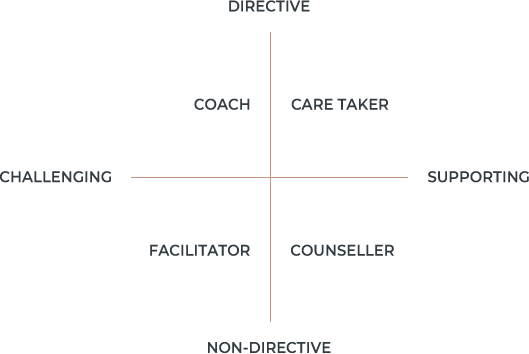
The role of a Student Success Coach(Gravells & Wallace (2007) adapted from Clutterbuck, 1985)
We are Called to:
Belonging Statement
Our Mission: We are called to restore belonging in a time that quietly erodes it. Our mission is to challenge the idea that anxiety, burnout, and disconnection are personal failures, and to make visible the systems that shape how we live, work, relate, and understand ourselves. We resist the reduction of inner life to performance, optimisation, or data, and argue instead for forms of life that allow depth, relationship, and meaning to endure.